Polyaspartic Floor Coatings
in Russellville, AR
A UV-stable, abrasion-resistant coating option, considered against the condition of your slab and how the space is used.
Your Concrete Floor Shouldn't Be the Weak Point of Your Space
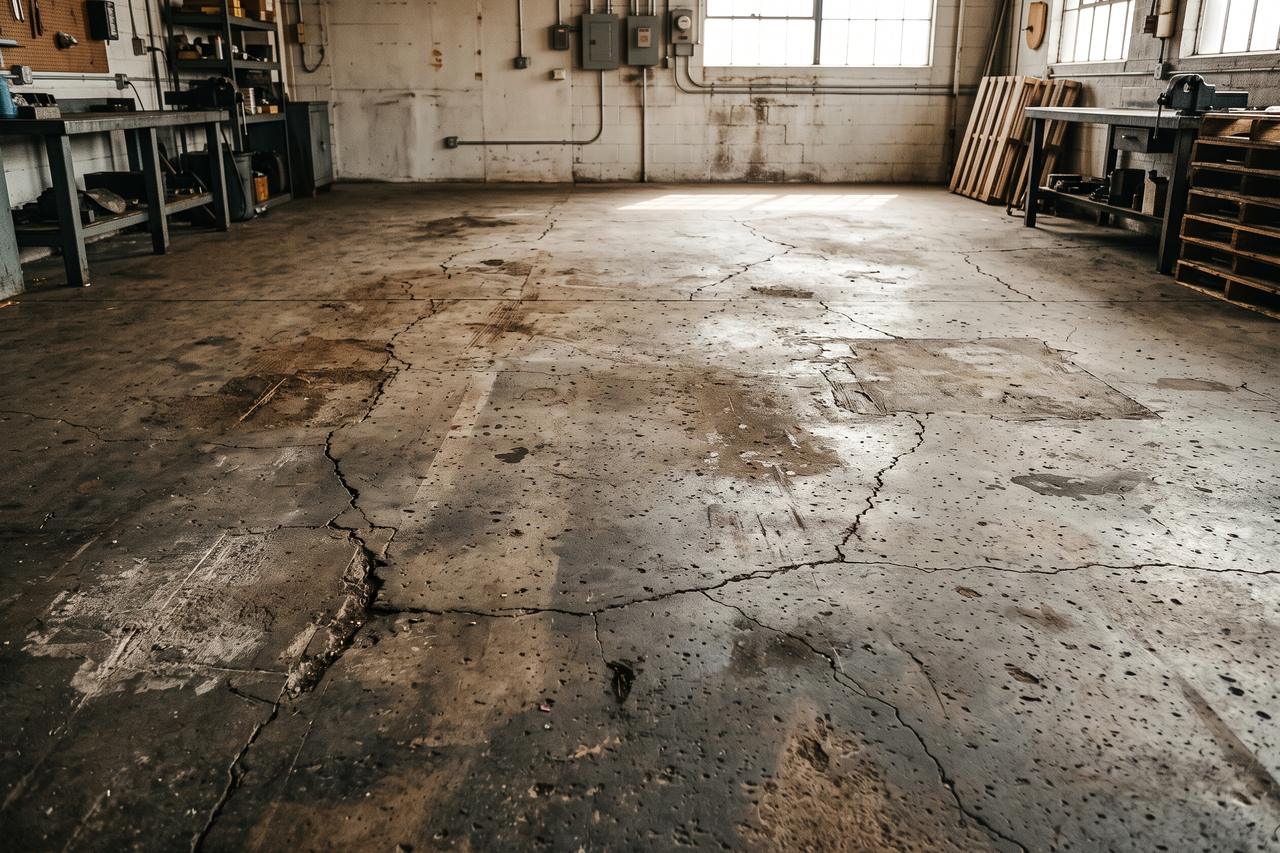
Bare concrete in a garage, shop, or light commercial space collects damage in ways that tend to compound. Oil drips soak in where a sealed surface would hold them. Vehicle tires and foot traffic wear the slab over time. Moisture works upward from below in ways that are largely invisible until a coating begins separating from the substrate. The floor that looked serviceable when the space was new develops problems gradually.
Standard coatings address some of that, but they come with their own limitations. Systems with extended cure requirements can leave a space unavailable for longer than expected. Coatings that lack UV resistance begin to shift color in areas where sunlight reaches the floor — a change that tends to become more visible as time passes and more difficult to address without recoating the entire surface.
For most owners, coating the concrete is the easy call. The harder question is which system suits the slab and the way the area is actually used.
The Right Floor Coating Starts With How You Use the Space
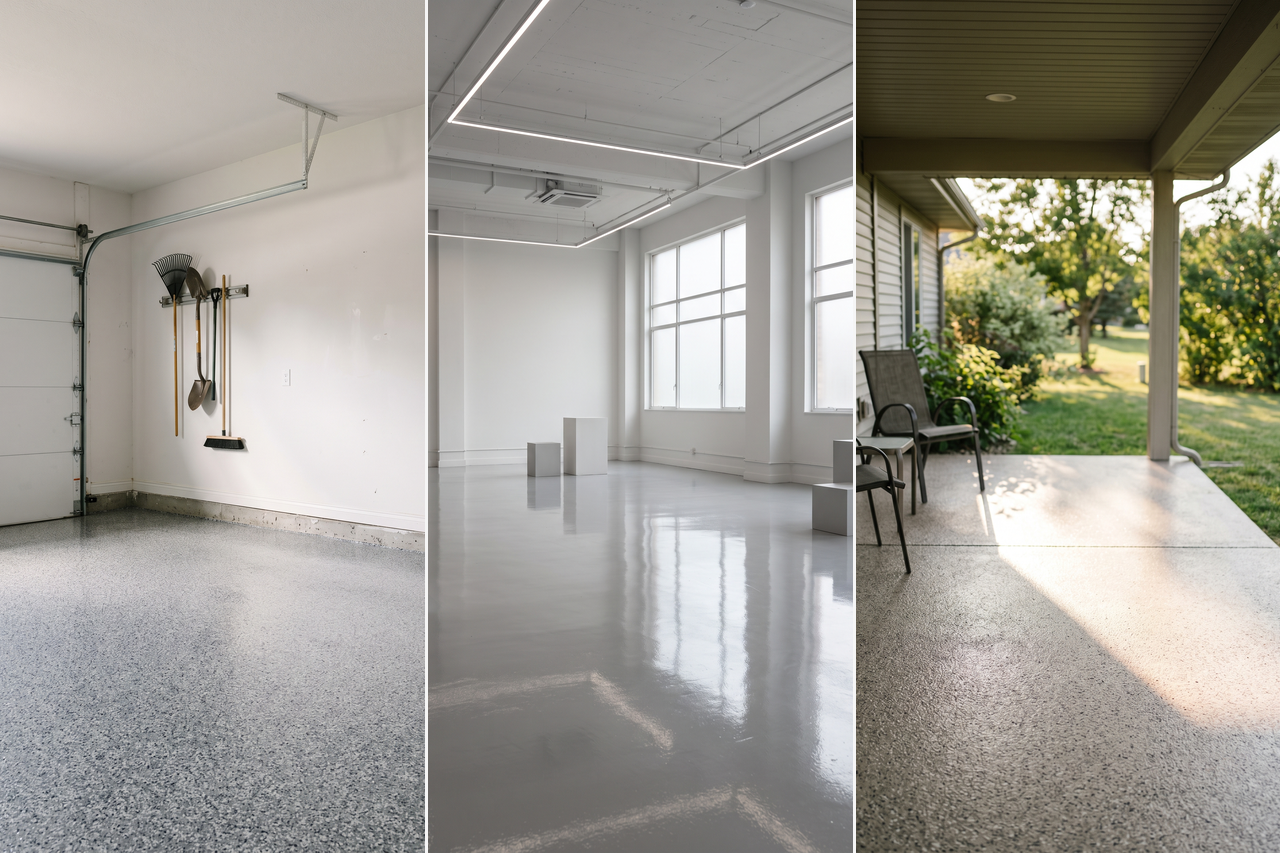
Polyaspartic coatings are characterized by a specific set of properties: resistance to UV-related color shift, strong abrasion performance, and a cure rate that generally cures faster than many traditional epoxy systems. In the right project — a garage that receives direct sunlight, a commercial floor with frequent cleaning cycles, a covered concrete area exposed to weather at the edges — those properties are genuinely valuable.
Polyaspartic still isn’t a fit for every project. Slab condition, moisture in the concrete, expected wear and budget all shape what a contractor suggests. Sometimes an epoxy base with a polyaspartic topcoat outperforms either product used alone; the right pairing depends on the system selected and what the floor presents.
The contractor evaluates the concrete and walks through the options before settling on any recommendation. The comparison guide linked below covers the practical differences between epoxy and polyaspartic in more detail, if you want to review them ahead of that conversation.
A Better Floor Is Easier Than You Think
Moving from raw concrete to a finished floor follows a clear sequence, and it’s simpler than many owners expect.
01
Tell Us About Your Space
Tell us where the concrete is, what condition it’s in, how the area is used, and your priorities, whether that’s sun resistance, the look of the finish or something else.
02
Choose the Right System
After examining the slab, the contractor suggests a direction, such as a full polyaspartic system, an epoxy-base hybrid or another option, based on the floor’s condition and your goals.
03
Transform Your Floor
Prep and application are handled by the contractor, who explains when the floor can be used again before starting, so nothing comes as a surprise.
Ready for a Floor Built to Perform?
What problems is the floor having, and what finished result are you hoping for? Share that with us. We’ll work to connect you with an independent flooring contractor who can review the project and, if it’s a fit, prepare a customized estimate. Photos of the current surface are helpful.
A Great Coating Can't Make Up for Poor Preparation
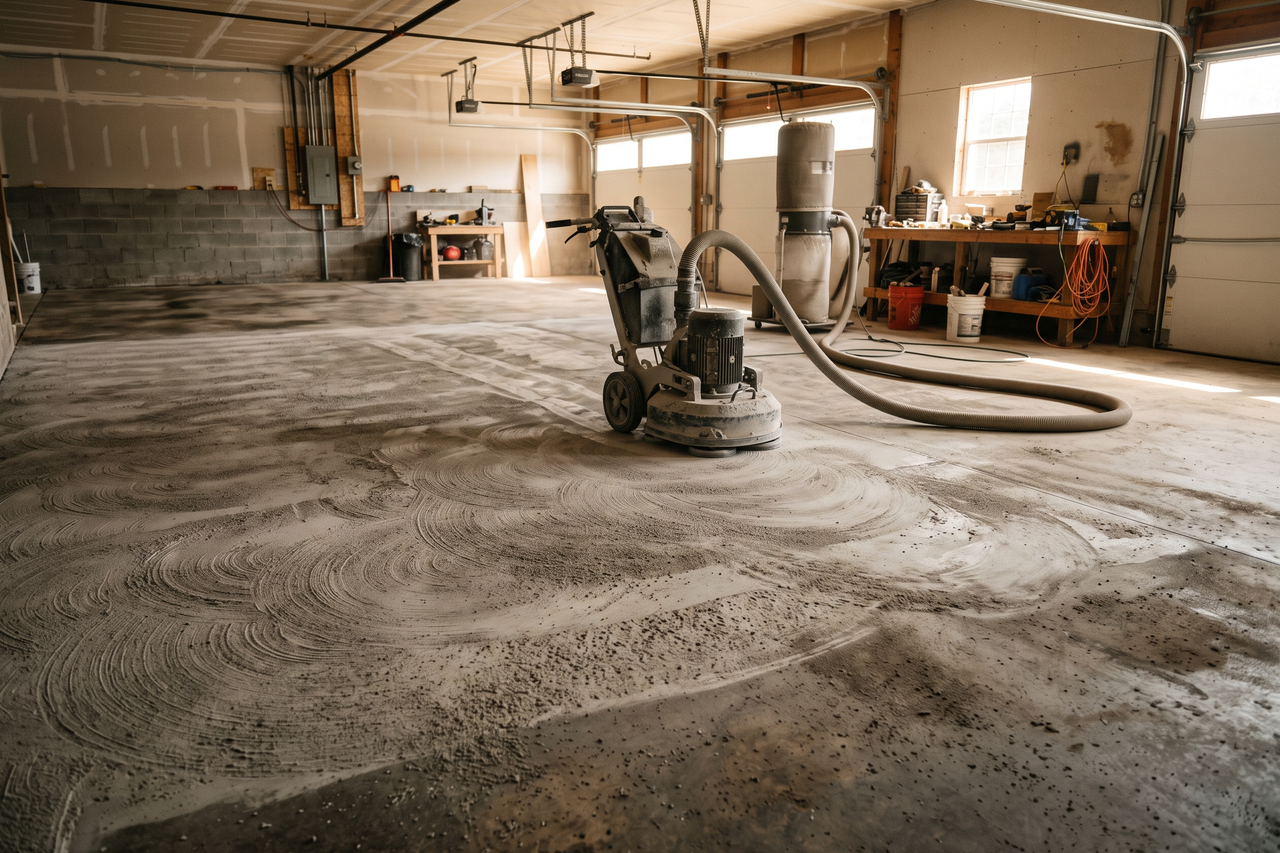
Even a strong material depends on the slab beneath it. Polyaspartic, like any coating, struggles to bond to concrete that hasn’t been cleaned, profiled and checked for moisture.
Because polyaspartic generally cures faster than many traditional epoxy systems, installers have less room to work once the material is mixed. There is little chance to fix problems mid-application, so the slab has to be fully ready before mixing starts — which makes preparation even more important.
Grinding, crack repair, and moisture assessment each contribute to a better foundation for long-term performance. Preparation is often part of the problem when a coating separates early, alongside moisture levels, coating selection, and conditions during installation. Addressing those factors before application gives the system a genuine opportunity to perform as intended.
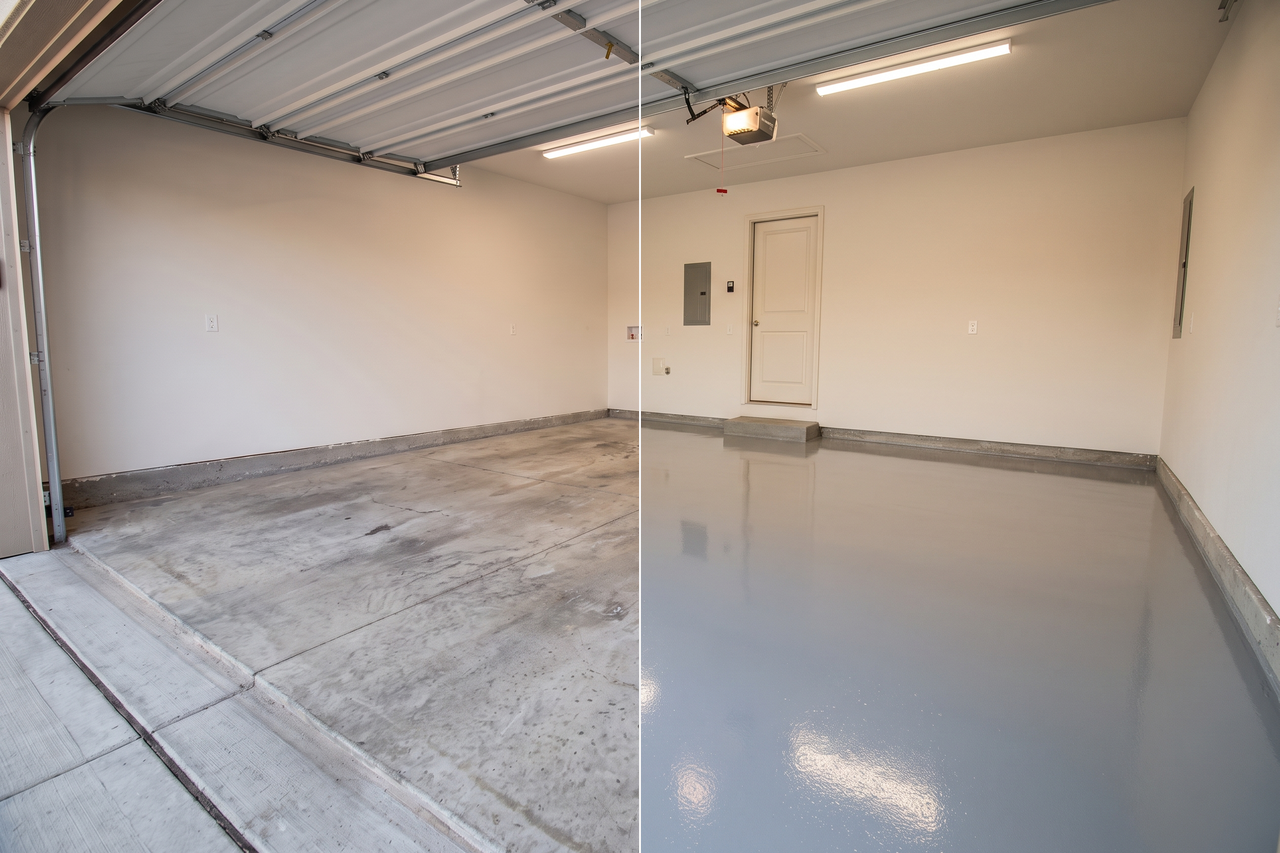
A Floor That Looks Better and Works Harder
Properly installed, polyaspartic gives a garage, shop or covered slab a smooth surface that is easy to care for. Spills tend to stay at the surface where they can be wiped up, instead of soaking into the concrete.
Flake broadcasts add color and texture for homes and businesses alike, and textured topcoats or anti-slip additives can be included where grip matters. Finish choices range from a showpiece garage to a busy commercial floor, subject to the contractor’s recommendation for the project.
Since polyaspartic generally cures faster than many traditional epoxy systems, it may cause less disruption at home or at work than slower-curing products. The actual schedule depends on the project and the contractor, including floor size, prep needs and the system used, and is reviewed before work starts.
What Do Polyaspartic Floor Coatings Cost?
Several factors shape the price: floor area, how much prep the concrete needs, any cracks or defects to repair, whether the system is all polyaspartic or an epoxy-base hybrid, and the finish you choose.
No two floors are the same. A cost figure that means something requires reviewing the actual concrete — not applying a standard per-square-foot rate to an unknown surface. The contractor looks at the slab and the full scope of the project before putting together pricing.
Common Questions About Polyaspartic Floor Coatings
How does a polyaspartic coating cure compared to epoxy?
Polyaspartic generally cures faster than many traditional epoxy systems, which is why it often comes up when an owner wants to limit disruption. Actual timing still varies with the product, the number of coats, and temperature and humidity on site; it depends on the project and the contractor, who explains the plan before starting.
Is polyaspartic the better system?
It depends on the floor. Polyaspartic offers UV stability and generally cures faster than many traditional epoxy systems, while epoxy builds thickness well for many indoor spaces. Plenty of strong systems combine them, with an epoxy base for build and bonding and a polyaspartic topcoat for sun resistance and wear. A contractor looks at the floor and its demands before recommending a direction.
How does polyaspartic handle sunlight?
Sun exposure is where polyaspartic stands out. Conventional epoxy is prone to turning yellow or amber where light hits it, while polyaspartic resists that shift much better, making it worth a look for garages, shops and covered areas that get regular sunlight. Results still depend on the product and the application, so start with a contractor’s look at the space.
Is polyaspartic an option for a patio or other outdoor slab?
Sometimes. A carport, shaded porch or enclosed patio may suit polyaspartic because of how it handles sun and wear. Whether a specific outdoor slab qualifies depends on its condition, drainage, exposure to weather and sun, and how it’s used, so the concrete needs to be evaluated first.
Does a glossy polyaspartic finish get slippery?
It can be when wet, especially with a smooth glossy finish. Flake broadcast, textured topcoats and anti-slip additives can add grip, depending on the location and use of the floor. Raise traction with the contractor while planning the system.